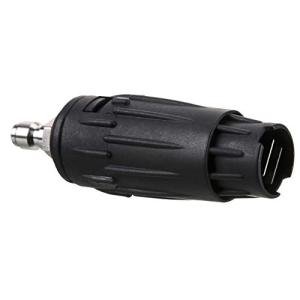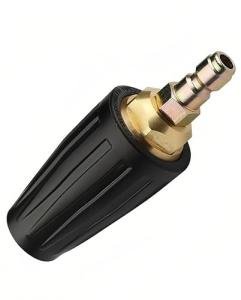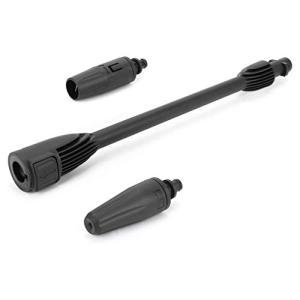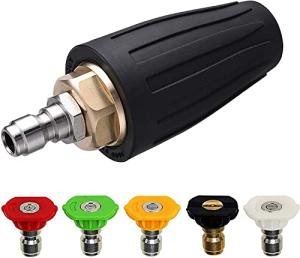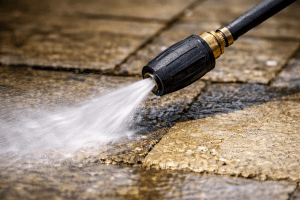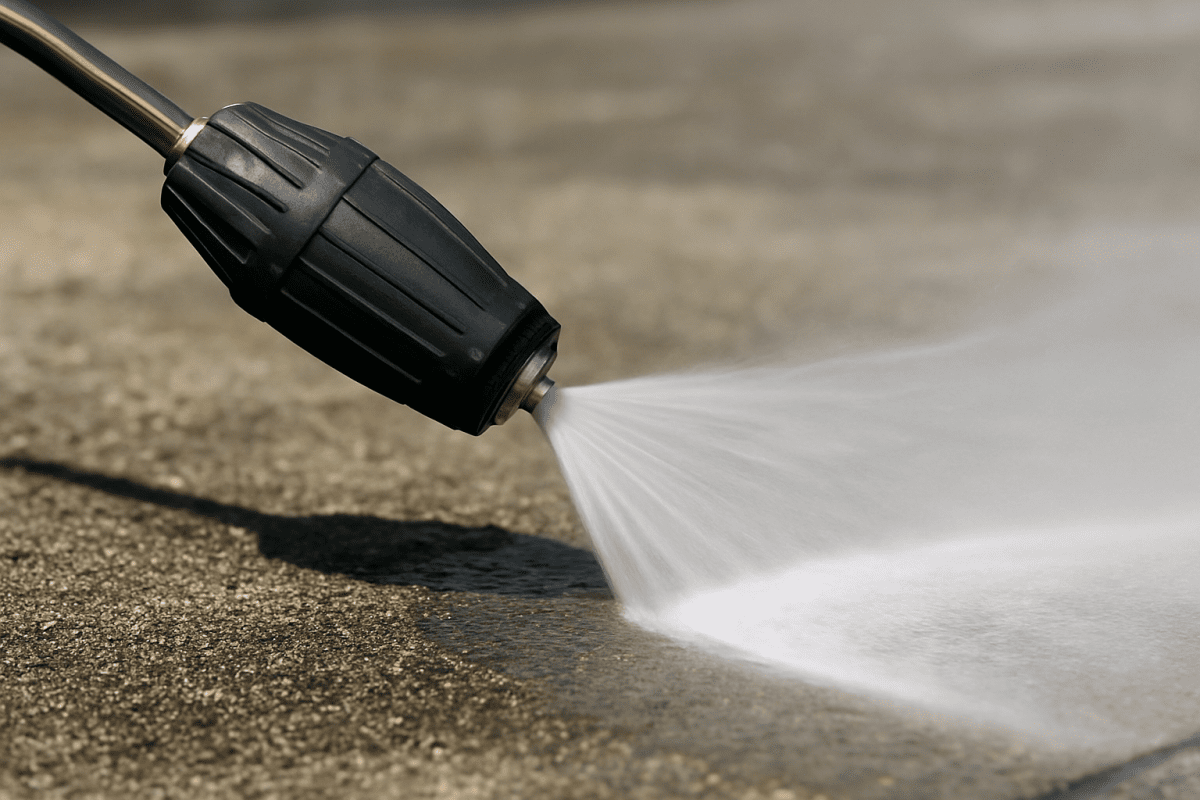
Turbo nozzles (also called rotary nozzles) dramatically increase cleaning power by spinning a narrow jet of water at high speed. They are the strongest nozzle type available and can remove heavy dirt, algae, moss and stains much faster than a standard 0° or 15° nozzle. This guide explains how they work and when you should—and shouldn’t—use them.
What Is a Turbo Nozzle?
A turbo nozzle takes a 0° jet and rotates it rapidly in a circular pattern. This creates a wide impact area while keeping the power of a pinpoint spray.
- Combines the strength of a 0° nozzle
- With the coverage of a 25° nozzle
- Perfect for heavy-duty cleaning
They are ideal for petrol washers and high-PSI machines, but many modern electric washers also support them.
How a Turbo Nozzle Works
Inside the nozzle, a ceramic ball spins at high speed. As water passes over it, the jet rotates, creating:
- Higher cleaning power from concentrated energy
- Faster cleaning from increased coverage
- Deeper removal of algae, moss, mud and stains
When To Use a Turbo Nozzle
Use a turbo nozzle when you need maximum power:
- Cleaning patios, paving stones or block paving
- Removing moss, algae and grime
- Deep cleaning concrete or driveways
- Preparing surfaces before sealing
- Stripping old dirt from brickwork
When NOT To Use a Turbo Nozzle
A turbo nozzle is too aggressive for delicate surfaces:
- Cars, motorcycles or bicycles
- Wooden decking (can cause splintering)
- Outdoor furniture
- Soft or painted surfaces
- UPVC or plastic fencing
Recommended PSI for Turbo Nozzles
- Electric washers: 1,500–2,000 PSI
- Small petrol washers: 2,000–3,000 PSI
- Heavy petrol washers: 3,000–4,000+ PSI
Higher PSI makes the turbo nozzle even more effective—but also more aggressive.
Tips for Safe Use
- Start further away and move closer slowly
- Keep the nozzle moving to avoid surface damage
- Test on an inconspicuous area
- Wear eye protection—debris lifts easily