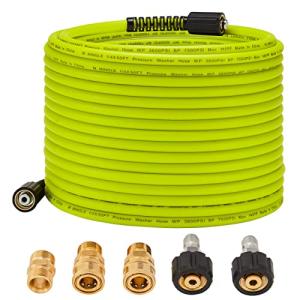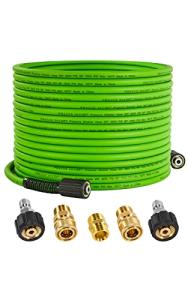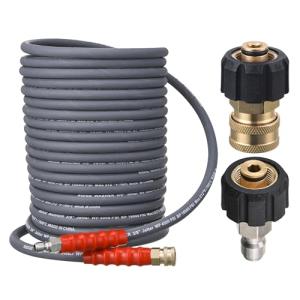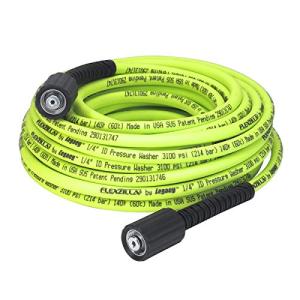
A leaking pressure washer hose can reduce cleaning power, waste water and eventually lead to a complete hose failure. Fortunately, many leaks are easy to fix yourself before replacing the hose entirely. Here is a clear, quick guide to identifying and repairing the most common hose leak issues.
1. Identify The Type Of Leak
Before you repair anything, determine where the leak is coming from:
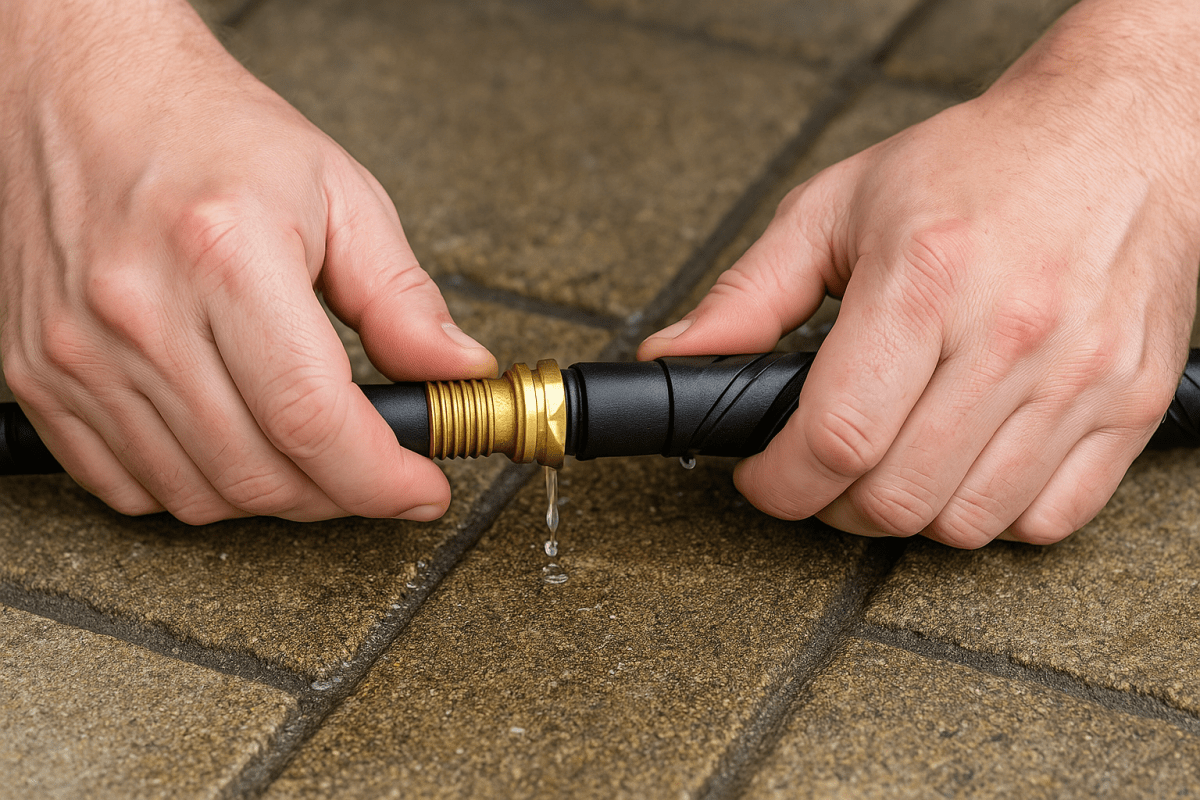
- Connector leak – water escaping where the hose connects to the washer or gun
- O-ring leak – a worn or missing rubber seal
- Pin-hole leak – tiny sprays along the hose body
- Large split – damaged hose that often requires replacement
2. Fixing Connector Leaks
Connector leaks are the easiest to repair. They usually happen because the fitting is loose or worn.
Steps:
- Turn off and depressurise the machine
- Disconnect the hose
- Clean dirt from the connector threads
- Tighten the connector firmly
- Replace damaged or bent connectors if needed
3. Replacing A Damaged O-Ring
A worn O-ring is the most common cause of small leaks near the connectors. Replacing one takes less than a minute and costs very little.
Steps:
- Remove the old O-ring with a small flat screwdriver
- Insert a new O-ring of the same size
- Lubricate lightly with silicone grease for a better seal
If the leak stops after replacing the O-ring, the hose itself is still in good condition.
4. Fixing Pin-Hole Leaks
Small holes can sometimes be temporarily patched, but this is only a short-term fix. Because pressure washer hoses handle high pressure, a patch may not hold for long.
Temporary fix:
- Clean and dry the area
- Wrap tightly with heavy-duty waterproof tape
- Secure with zip-ties for extra hold
This should only be used to finish a small cleaning job. For long-term reliability, replacing the hose is the safest option.
5. When A Hose Cannot Be Repaired
Some leaks cannot be fixed safely. Replace your hose if you have:
- A long split or tear
- Visible bulges or weak spots
- Multiple pin-hole leaks
- Cracks caused by UV exposure or age
Modern hoses are safer, more flexible and far more durable — replacing a badly damaged hose is often the best solution.